Getting Grade R right: Building stronger foundations for South Africa’s children
South Africa has taken an important step by formally incorporating Grade R into the schooling system. The challenge now is to ensure that access is matched by quality.
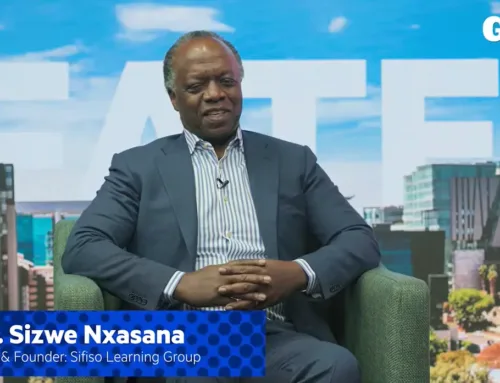
In a recent eNCA interview, Sifiso Learning Group CEO Dr Sizwe Nxasana discussed why Grade R education in South Africa matters and what will be required to give every child a strong foundation for future learning.
Why Grade R matters
Grade R is far more than the year before Grade 1. It provides an important opportunity to develop the early literacy, numeracy, cognitive abilities, motor skills and social development that children need throughout their schooling journey.
It is also a crucial stage for identifying learning and developmental gaps before they become more difficult to address.
As Dr Nxasana explains, strengthening Grade R could help South Africa confront some of its most persistent educational challenges, including the number of children who struggle to read for meaning or develop age-appropriate numeracy skills.
Access must be matched by quality
Making Grade R part of formal schooling is a significant step forward but legislation alone cannot guarantee quality learning.
Its success will depend on several connected areas:
- appropriately trained and supported Grade R teachers
- quality curricula and purposeful play-based learning
- suitable classrooms, infrastructure and learning resources
- investment in early childhood care and education before Grade R
- collaboration between government, the private sector, NGOs, foundations and education institutions
The quality of an education system cannot exceed the quality of its teachers. The continued professionalisation of Grade R teaching is therefore central to ensuring that children in different communities receive the foundations they need.
A shared responsibility
Government cannot address the scale of South Africa’s foundational education challenge alone.
During the interview, Dr Nxasana highlighted the important contribution that private organisations, churches, NGOs and foundations are already making by improving facilities, supporting teacher development and expanding access to quality early learning.
Greater coordination across these sectors can help ensure that resources and expertise reach the communities where they are needed most.
Sifiso Learning Group’s contribution
Sifiso Learning Group’s work spans basic education, education technology and teacher development.
At Future Nation Schools, learners receive a future-focused, technology-enabled and African-centred education from Grade R to matric. The curriculum combines academic rigour with project-based learning to develop confident, independent thinkers who can engage meaningfully with real-world challenges.
Through Nation NXT College, the Group is also working towards accredited offerings focused on Grade R teacher development, recognising that strengthening foundational education begins with equipping educators with the knowledge and skills they need.
These initiatives form part of the Group’s broader commitment to transforming education and developing African children and young people who are prepared to shape the future.
Building the future from the foundation
Where a child begins school should not determine the quality of the start they receive.
By investing in teachers, learning environments and meaningful partnerships, South Africa can turn the formal inclusion of Grade R into lasting educational progress.